
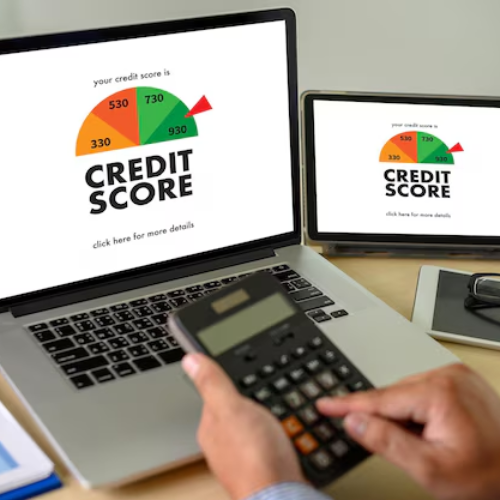
Improving your credit score remains one of the most effective ways to access better financial opportunities, from lower interest rates on loans to stronger approval odds for credit cards, apartments, and insurance products.
As the economic climate in 2026 continues to stabilize, lenders are tightening approval criteria and placing greater weight on responsible credit behavior. For consumers, understanding how the credit system works and applying practical, data-driven strategies can make a meaningful difference.
A high credit score is not built overnight, but with consistency and smart decision-making, it becomes achievable for people at any income level. Below are five essential strategies that can guide your credit-building journey in 2026.
1. Focus on On-Time Payments, the Most Important Credit Factor
Payment history makes up roughly 35% of your FICO score, making it the most important credit-score component. In 2026, lenders are increasingly using expanded data tools to assess consumer payment behavior across multiple platforms. That means that a single late payment, credit card, auto loan, BNPL plan, or even certain utilities, can impact your score more than it might have in previous years.
To strengthen your payment history, set up automatic payments on every credit account, even if it’s just the minimum amount. Many banks now offer enhanced autopay options that allow you to choose minimum due, statement balance, or an amount above the minimum.
If your income varies month to month, consider using calendar reminders or budgeting apps that sync directly to your credit card accounts. And if you ever anticipate missing a payment, call the lender as early as possible; some issuers offer one-time forgiveness policies that prevent the late mark from hitting your credit report.
2. Reduce Credit Utilization by Managing Balances Strategically
Credit utilization, how much of your available credit you are using, represents roughly 30% of your score, making it the second-most influential factor. In 2026, this metric remains critical because credit card APRs remain elevated, and carrying high balances not only harms your score but also increases your interest expenses.
The ideal strategy is to keep your utilization below 30%, and under 10% if you want to optimize your score. You can do this by limiting unnecessary spending, paying down balances before the statement closing date, or making multiple payments throughout the month.
Another option is requesting a higher credit limit from your issuer. Many banks now offer instant limit-increase evaluations through digital apps, but they may perform a hard inquiry, so use this method thoughtfully.
For consumers working to recover from high balances accumulated during the inflation surge of the early 2020s, consolidating debt with a personal loan or balance transfer offer can also help. Just keep in mind that any balance transfer fee or new account inquiry may temporarily affect your score.
3. Build a Longer and More Diverse Credit Profile
Length of credit history and credit mix together account for about 25% of your score, and these elements are becoming more important as lenders incorporate broader credit-behavior analysis. In 2026, having a mix of credit types, such as credit cards, installment loans, and retail accounts, gives lenders a clearer picture of your financial reliability.
If you’re newer to credit score or rebuilding after past challenges, consider starting with a secured card, a credit-builder loan, or a low-limit starter card from a major issuer. Many fintech companies also offer responsible tools to help consumers build a track record without taking on major debt.
Keeping your older accounts open is another key part of improving your score. Even if you no longer use a card frequently, maintaining the account may benefit your average age of credit history. Just ensure that the card has no annual fee or that the benefits justify keeping it.
4. Monitor Your Credit Reports and Dispute Errors Promptly
With the growing use of alternative data, expanded reporting, and automated underwriting systems, errors in credit files have become more common. A small mistake, such as a misreported late payment, duplicated account, or incorrect balance, can significantly affect your score.
In 2026, it is especially important to verify information related to Buy Now, Pay Later loans, new utility-reporting programs, and updated account statuses from lenders adapting to new digital reporting standards.
If you find any inaccuracies, submit a dispute directly to the credit bureau. They must investigate and resolve the issue, typically within 30 days. Keeping documentation, such as statements and payment confirmations, will strengthen your dispute claim.
Regular monitoring also helps you detect signs of identity theft. With data breaches still a major concern, freezing your credit when it’s not actively needed is an efficient and free way to protect your score.
5. Avoid Excessive Hard Inquiries and Be Strategic With New Credit
Each time you apply for a new loan or credit card, the lender performs a hard inquiry, which can slightly reduce your score for up to one year. While one or two inquiries are normal, multiple applications within a short period may signal financial instability to lenders, especially during an era of stricter lending policies.
To minimize unnecessary inquiries, compare prequalification offers whenever possible. Most major U.S. banks and issuers allow you to check your approval odds without affecting your credit score. If you plan to apply for a mortgage, auto loan, or large credit card in 2026, avoid opening new accounts in the months leading up to your application.
When new credit is necessary, such as refinancing high-interest debt, apply strategically and space out applications. This approach helps protect your credit score and ensures you only take on options that benefits your long-term financial stability.
you’ll be redirected to the financial institution’s site
All information in this and other US PIXIN articles is subject to change over time. Please check for updates directly with the institutions and companies mentioned. Approval is subject to the institution’s review.
REFERENCES:
Read more about finances in https://us.pixin.com.br/category/blog/